 04 June 2026
 Share
Share
1
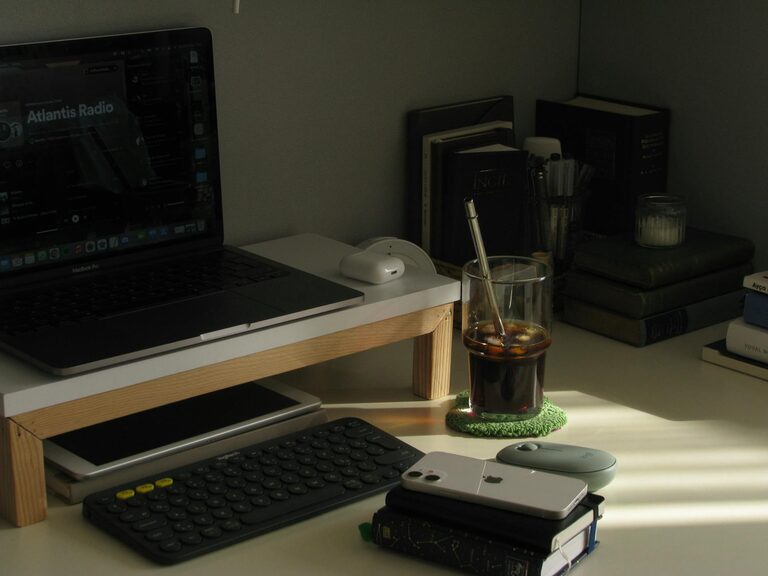

Creating a home office that feels both cozy and functional can significantly improve your work-from-home experience. Whether you’re working full-time from home or just need a dedicated space for occasional tasks, a well-designed office can boost productivity and reduce stress. Here are some helpful tips to guide you in setting up a home office that suits your needs and style.
Look for a place in your home that is quiet and away from high-traffic areas. This helps minimize distractions and allows you to focus better during work hours.
If possible, set up your office near a window. Natural light can reduce eye strain, improve mood, and make your workspace feel more inviting.
Think about how much room you need for your desk, chair, and storage. Adequate space keeps your environment comfortable and prevents clutter.
A good chair supports your back and encourages proper posture, reducing the risk of discomfort during long workdays.
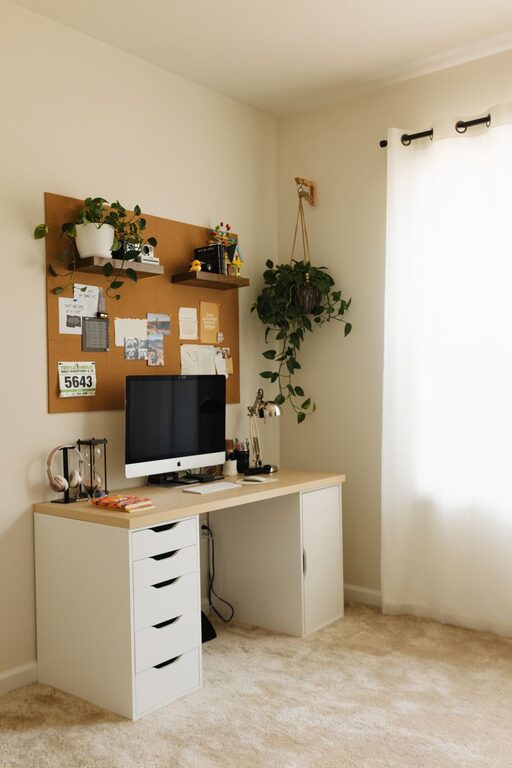
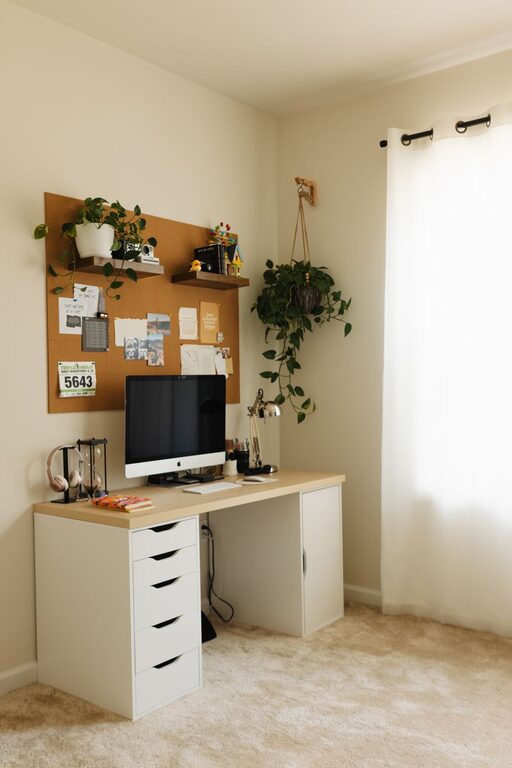
Choose a desk that fits your space and work style. Adjustable desks or standing desks can offer flexibility and improve circulation.
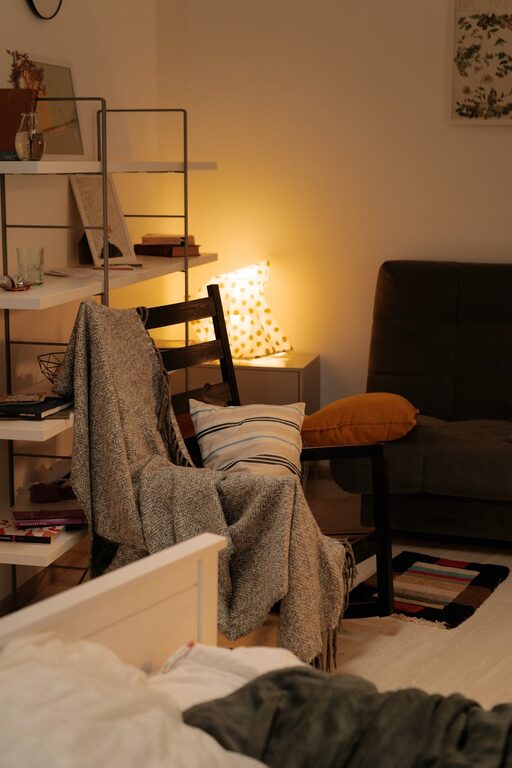
If space allows, add a small sofa or armchair for reading or brainstorming away from your desk.
A tidy workspace helps maintain focus. Set aside time weekly to organize papers and supplies.
Shelves, filing cabinets, or storage bins keep everything in its place. Label items to find things quickly.
Use clips, sleeves, or boxes to organize chargers and cables for a neat appearance and to avoid accidents.
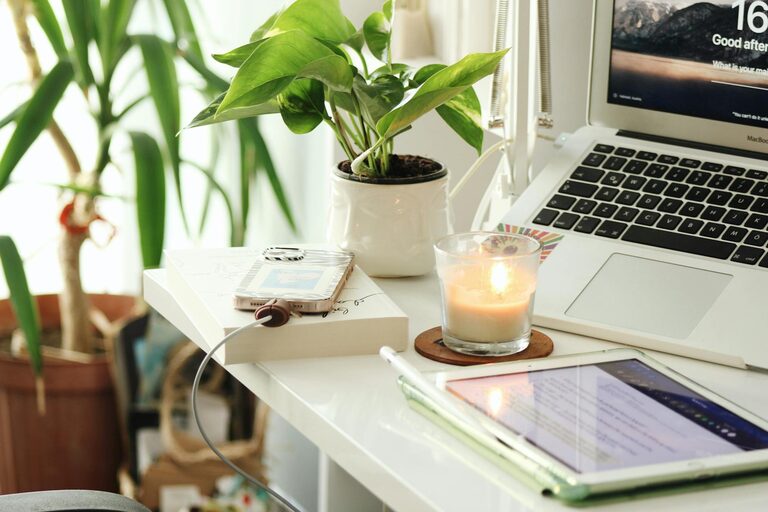
Indoor plants purify air and create a calming environment. Choose low-maintenance options like succulents or pothos.
Decorate with items that inspire you, whether it’s artwork, motivational quotes, or family photos.
Select paint or décor colors that promote focus and relaxation. Soft blues, greens, or neutral tones are popular choices.
Supplement sunlight with task lamps or overhead lighting to ensure your workspace stays bright throughout the day.
Desk lamps with adjustable brightness allow you to customize lighting based on the time of day or task.
Use rugs, curtains, or acoustic panels to dampen noise. White noise machines or headphones can also help.
Communicate your work schedule with family or roommates to limit interruptions.
Ensure your office has a stable internet connection to avoid disruptions during work calls or online tasks.
Invest in tools like an external monitor, keyboard, and mouse for enhanced comfort and productivity.
Consider a UPS (uninterruptible power supply) to protect your work during power outages.
Designate where your computer and main tasks will happen.
If space permits, set up a cozy corner with a chair and small table for reading or brainstorming.
Even small offices benefit from a spot to pause and relax briefly.
Avoid working from your bed or couch to help mentally separate work time and personal time.
Start and end your workday at consistent times to create clear boundaries.
—
Building a cozy and functional home office takes some planning but results in a space where you can work efficiently while feeling comfortable. With thoughtful furniture choices, organization, lighting, and personalization, you can create an inspiring environment tailored to your unique needs.
Start small and adjust your setup over time—your perfect home office awaits!