 04 June 2026
 Share
Share
1
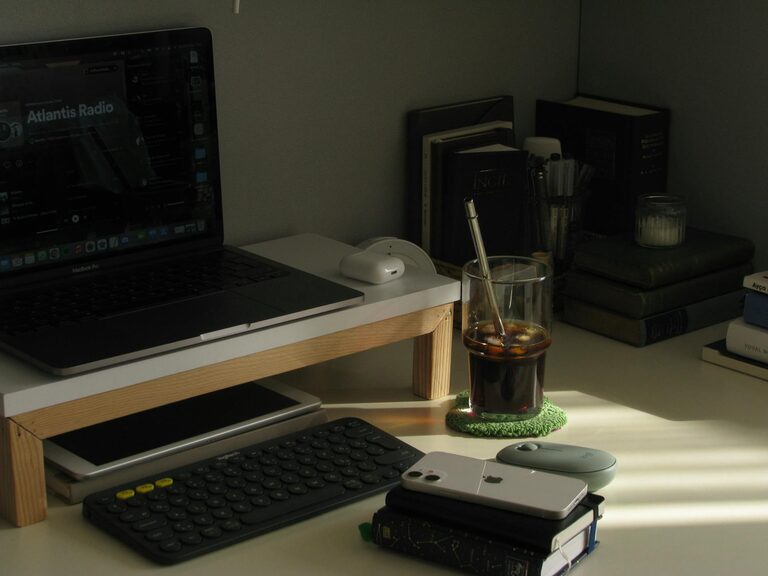
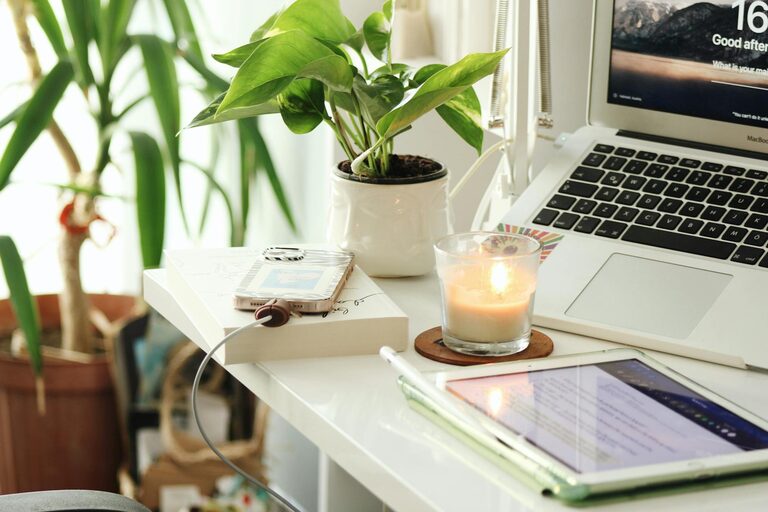
Working from home has become a popular and often necessary part of modern life. Whether you’re freelancing, running a business, or working remotely for a company, having a dedicated home office space can improve focus and productivity. But it’s not just about functionality — comfort plays a big role in how well you work and how much you enjoy your time at your desk. Here are some useful tips to help you create a cozy and productive home office environment.
Start by selecting a place with minimal distractions. Avoid high-traffic areas like living rooms or kitchens, if possible. A quiet corner, spare bedroom, or even a nook near a window can serve as a dedicated workspace.
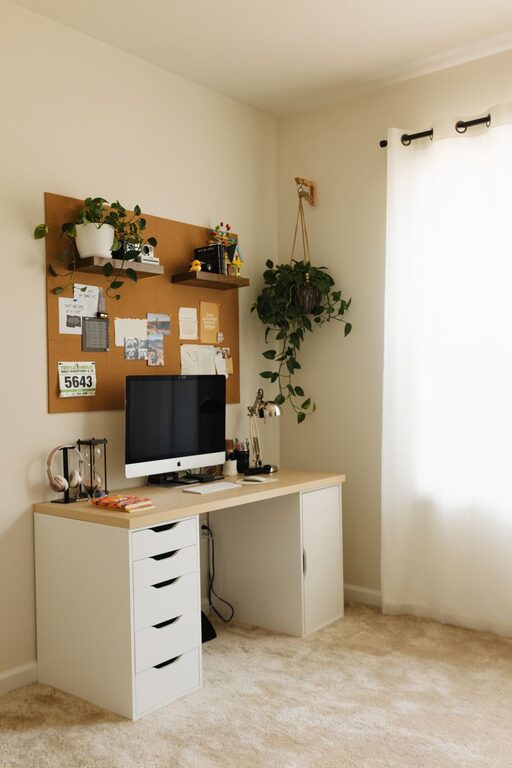
Natural light boosts mood and energy. If you can, position your desk near a window to take advantage of daylight. Make sure the light doesn’t glare on your computer screen; adjustable blinds or curtains can help.
A supportive chair with adjustable height and lumbar support is key to preventing discomfort and fatigue. Pair it with a desk that fits your space and allows you to work comfortably, whether sitting or standing.
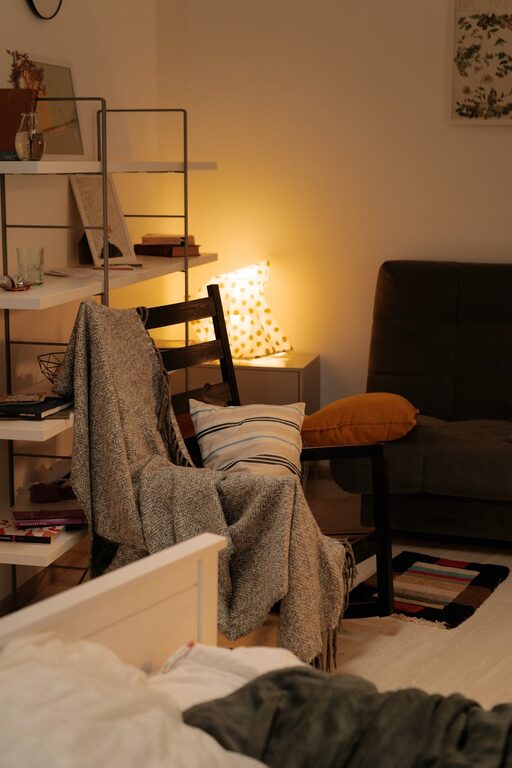
Adding a cozy throw blanket, cushions, or a soft rug can make your office feel inviting. Choose colors and textures that make you feel calm and happy.
A tidy workspace reduces stress and improves focus. Use organizers, shelves, or drawers to keep supplies, papers, and tools neatly stored. Make it a habit to clear your desk at the end of each day.
Label boxes and containers to quickly find what you need. Consider a filing system for important documents to keep them safe and accessible.
Aside from natural light, use a combination of overhead and task lighting. Desk lamps with adjustable brightness allow you to tailor lighting based on the time of day and activity.
Soft, warm light bulbs create a cozy atmosphere that reduces eye strain and helps maintain comfort during long work sessions.
Plants not only brighten your office but also improve air quality and reduce stress. Low-maintenance options like succulents or pothos work well indoors.
Photos, artwork, or inspirational quotes can make your workspace personal and motivating. Just be careful not to overcrowd the area.
Set clear start and end times for your workday to maintain work-life balance. Communicate these boundaries with family or housemates.
A closed door or a “do not disturb” sign can signal when you need focus and minimize interruptions.
Invest in a good internet connection, quality headphones, and a comfortable keyboard and mouse. These small upgrades can enhance your efficiency and reduce frustration.
Apps for task management, time tracking, or focus (such as timers for the Pomodoro technique) help you stay organized and productive.
Brief breaks every hour can prevent burnout and keep your mind fresh. Use reminders to stand, stretch, or walk around.
If space allows, set up a small area with a comfortable chair or cushion where you can unwind during breaks.
Creating a cozy and productive home office is about balancing comfort with functionality. By paying attention to your environment, furniture, organization, and habits, you can build a space that supports your best work while feeling welcoming and personal. Start with small changes and adjust as you discover what helps you thrive in your home office.